Halloween Day is celebrated every year on October 31st with great excitement and creativity around the world. It is a day when people dress up in unique costumes, decorate their homes with pumpkins and lights.
Also enjoy trick or treating with friends and family. The festival combines fun, imagination, and a touch of spookiness, making it one of the most beloved celebrations of the year.
The origin of Halloween goes back thousands of years to ancient Celtic traditions that marked the end of the harvest season. Over time, it blended with Christian customs and turned into the modern festival.
What is Halloween Day?
Halloween Day is celebrated every year on October 31st. It’s a time when people dress up in costumes, decorate their homes with spooky or fun items.
Children often go door-to-door saying “trick or treat!” to collect sweets. It began as an ancient festival tied to harvest time and now has become a global celebration of fun and creativity.
The History and Origin of Halloween Day
The origins of Halloween stretch back more than 2,000 years, to a Celtic festival called Samhain, celebrated in places that are now Ireland, the United Kingdom and northern France.
Samhain marked the end of the harvest season and the coming of winter—the Celts believed that during this time the boundary between the living and the spirit world was thinner.
Later, Roman festivals and Christian traditions (such as All Hallows’ Eve, the night before All Saints’ Day) merged with those Celtic practices.
Over centuries, these traditions blended, evolving into the Halloween we know today, celebrated across many countries.
Its Significance and Themes
- It brings communities together through costumes, decorations, parties and shared activities.
- It encourages creativity—people make fun or spooky outfits, carve pumpkins into jack-o’-lanterns, and craft decorations.
- It reminds us of older traditions: harvests, change of seasons, and customs around spirits and the unseen.
- It is increasingly also about being safe, inclusive and eco-friendly—choosing costumes and decorations that respect people and the environment.
How Halloween Day is Celebrated
People mark Halloween in many different ways. Some of the most common activities are:
1. Dressing up in costumes or masks: witches, ghosts, skeletons, vampires, superheroes, animals, and more.
2. Going trick-or-treating: especially children visit neighbours homes to collect sweets and treats.
3. Carving pumpkins into jack-o’-lanterns: cutting faces into pumpkins, lighting them up and placing them on porches.
4. Hosting or attending themed parties, parades in neighbourhoods, schools or community centers.
5. Telling spooky stories, watching Halloween-themed movies, organizing games like bobbing for apples, haunted house tours.
6. In schools, children might take part in costume competitions, arts and craft sessions (cutting out bats, paper pumpkins), and short storytelling or speech activities.
Symbols of Halloween
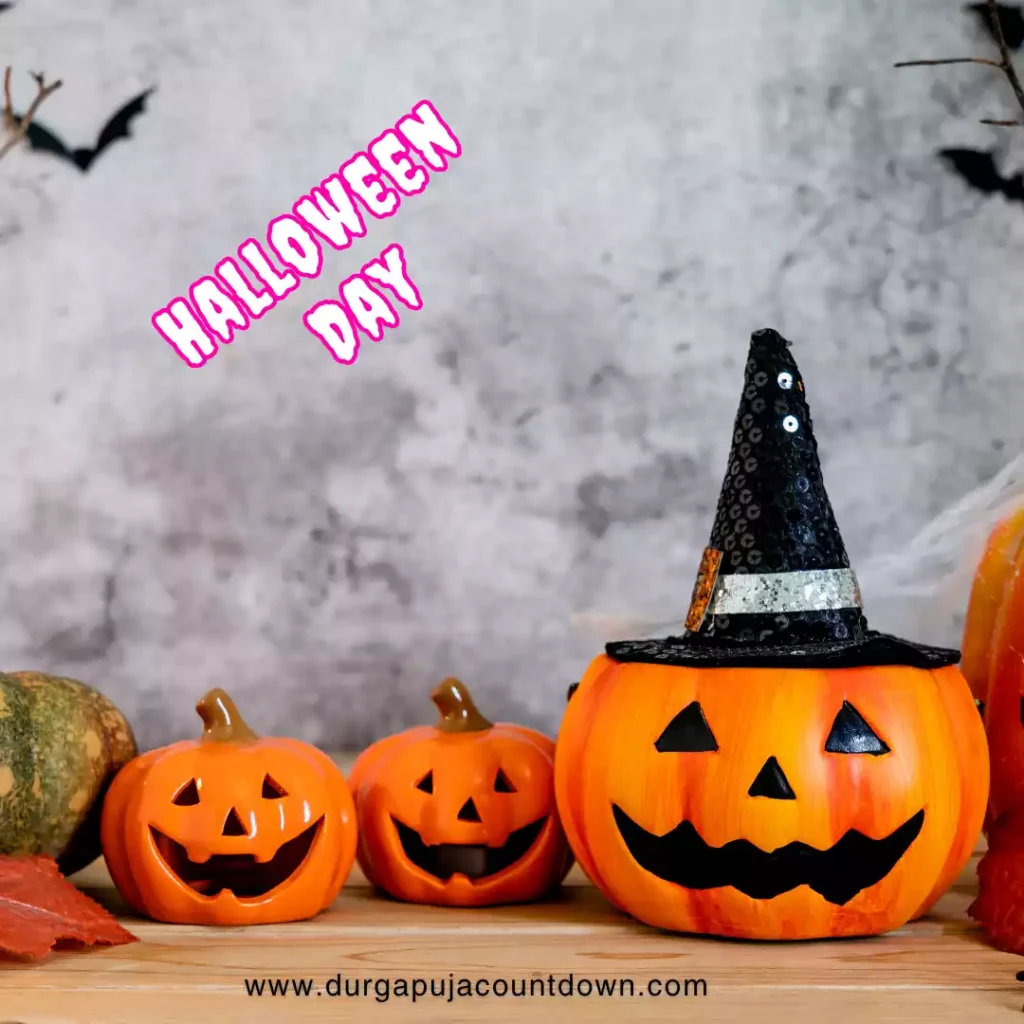
Halloween is known for its fun and spooky symbols. The jack-o’-lantern, made by carving a pumpkin and placing a candle inside, is the most popular one. It’s believed to light the way for good spirits and keep away the bad ones.
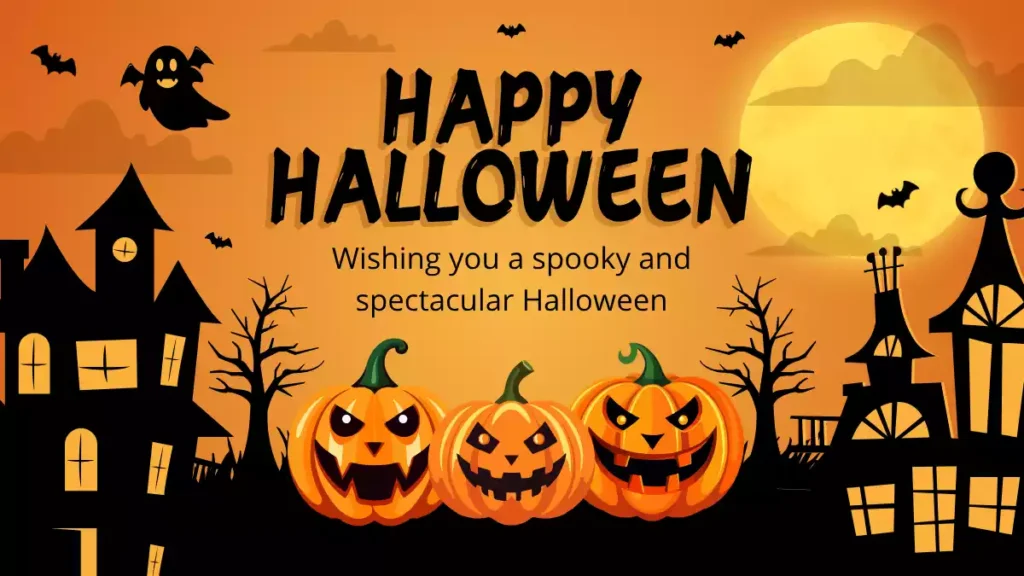
Ghosts and skeletons are also common symbols. They remind us of the connection between life and death and come from old Celtic beliefs. You’ll often see them in decorations, costumes, and art during this festival.
Witches and black cats add mystery to Halloween. Witches, with their broomsticks and pointed hats, represent magic, while black cats are linked with luck and mystery. Together, they make Halloween both spooky and fun.
Other famous symbols include bats, spiders, owls, and colorful costumes and masks. In ancient times, people wore masks to hide from spirits — today, it’s a way to enjoy creativity and celebrate the spirit of Halloween.
Around the World Traditions
While Halloween, as most people know it is particularly strong in the USA, UK, Canada and parts of Europe, different countries have their own similar or related celebrations. For example:
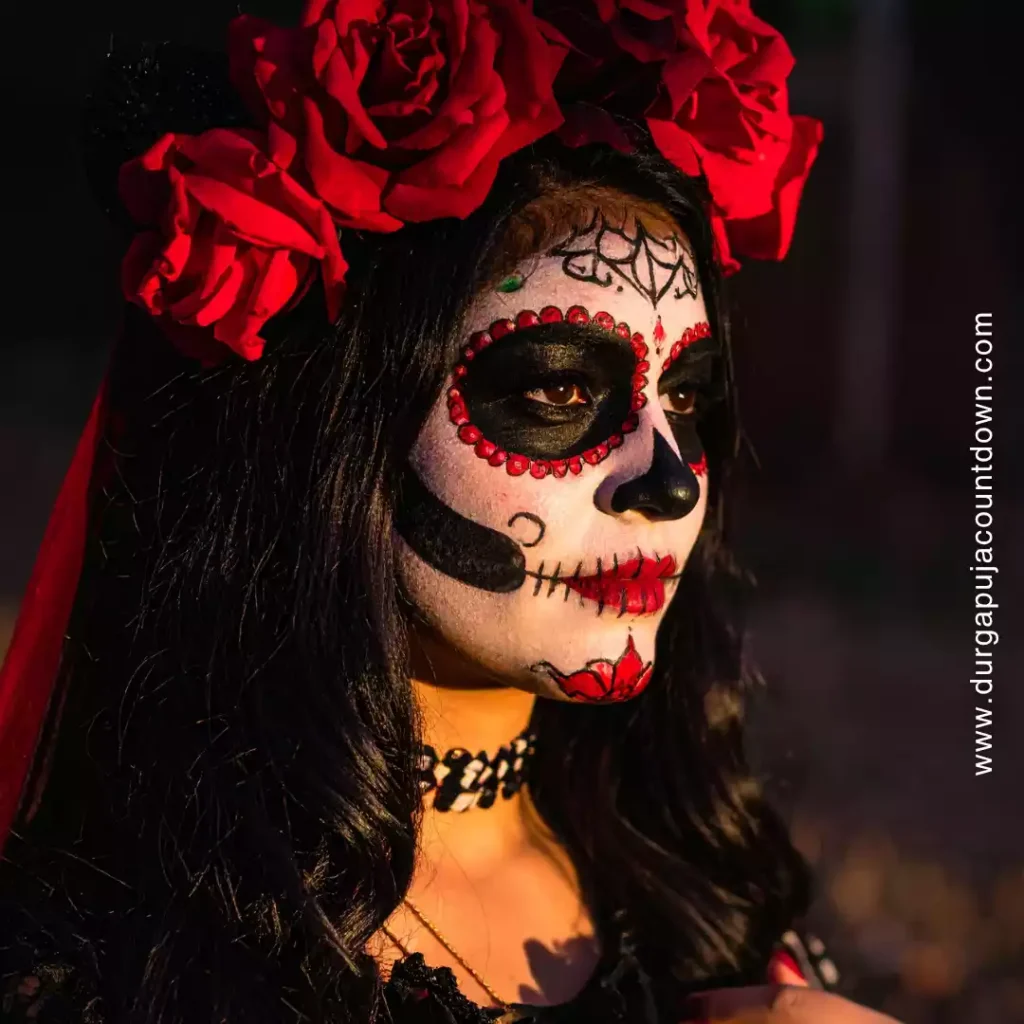
- Mexico has the “Day of the Dead” (Día de los Muertos) around the same time, which honours deceased loved ones with altars, food and flowers.
- In various places there are autumn festivals, harvest celebrations, ghost/spirits festivals, and other cultural variations.
- In recent years, many communities emphasized digital celebrations (online costume contests, social-media hashtags), green celebrations (eco-friendly costumes and decorations) and inclusive celebrations for all ages.
The Message of Halloween Day
Beyond the fun and spookiness, Halloween carries some meaningful points:
- It highlights togetherness: families, neighbours, schools come together, children and adults celebrate.
- It encourages imagination and creativity: costumes, decorations, stories.
- It offers a chance to reflect (in a light way) on fears, the unknown, change of seasons, harvest ending, and winter ahead.
- It reminds us to respect culture and heritage, and to be kind and safe to others.
- It pushes us to think about sustainability: choosing reusable or recycled materials, being mindful of waste.
Safe and Eco Friendly Ways to Celebrate
Here are some tips if you want a safe and environmentally friendly Halloween:

1. Use recycled or up-cycled items for your costume or decorations, rather than buying new plastic ones.
2. Avoid single-use plastics: pick materials you can reuse.
3. If children go trick-or-treating, ensure it’s done in a safe area, with adult supervision as needed.
4. Consider making homemade treats and check for allergies or safety.
5. Have indoor or limited outdoor celebrations if the weather or neighbourhood situation calls for it.
6. Use lights and decorations safely (avoid overloaded sockets, fire hazards).
7. Share fun and creativity rather than focusing only on fear: the goal is celebration not just fright.
Sample Uses in School
If you’re in a school, community group or just organizing a small gathering, here are simple ideas:
- Have students wear simple costumes or masks and share why they chose them.
- Decorate a classroom or home with paper pumpkins, bats, stars, ghosts – crafting them from recycled materials.
- Hold a storytelling session: short spooky or fun stories about Halloween or harvest change.
- Organize a drawing or speech contest: “What Halloween means to me” or “A friendly monster’s adventure”.
- Do pumpkin carving with safety supervision.
- Encourage sharing: treats or sweets with friends, neighbours or less-privileged children.
- Remind everyone to think of kindness and safety first.
Summary of Halloween Day
Halloween is marked by colorful costumes, creative decorations, fun parties, sweet treats, and storytelling that bring people of all ages together to share laughter, imagination, and festive cheer.
It offers an opportunity not just for fun, but for creativity, togetherness and mindful celebration. Especially when done safely and sustainably.
Whether you’re carving a pumpkin, going trick or treating, or crafting homemade decorations, Halloween can be joyful, inclusive and memorable for people of all ages.
Durga Puja Countdown is on Live