
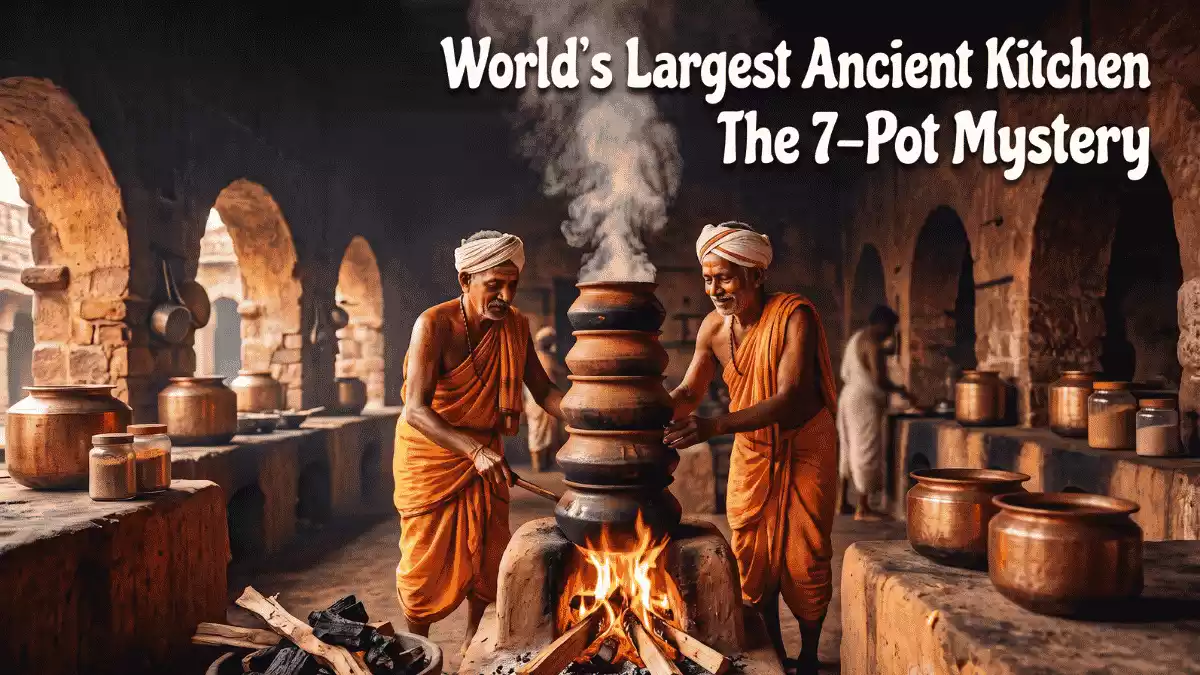
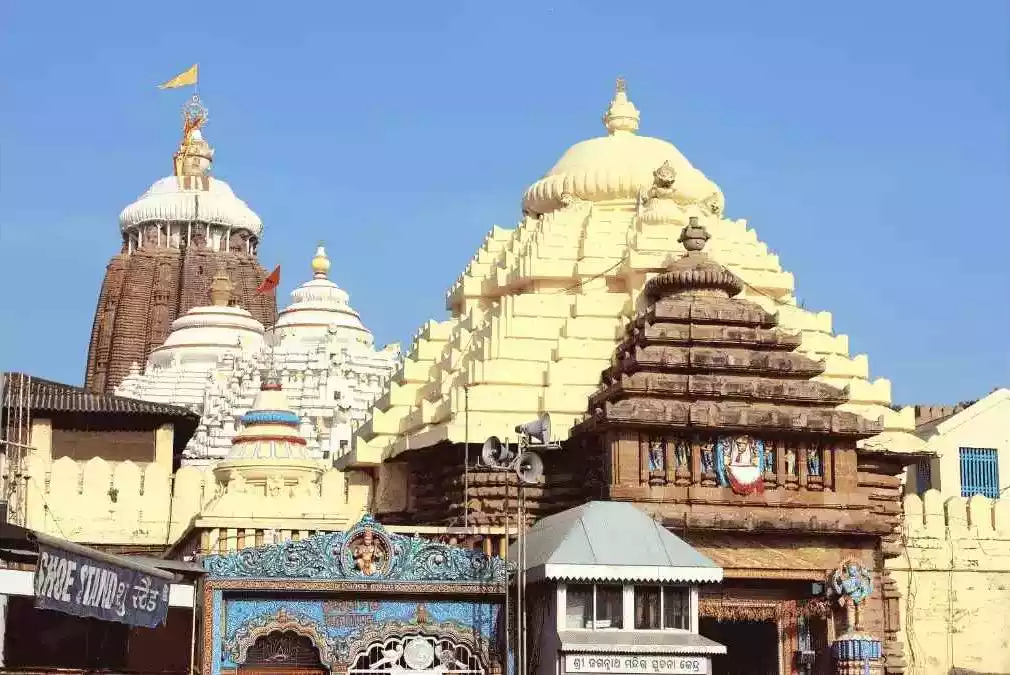
Rosaghara is the world’s largest ancient kitchen. The Jagannath Temple in Puri feeds over 100,000 people every single day. They use zero electricity and no modern machines. This place is called the Rosaghara. It is the legendary holy kitchen of the Jagannath Temple.
Every single day, an engineering miracle happens in the coastal city of Puri. Without modern gas stoves, electricity, or massive industrial machines, a traditional kitchen prepares fresh food for up to 100,000 people.
For centuries, this kitchen has baffled travelers and scientists alike. Here is a look inside the world’s largest traditional kitchen and the incredible facts that make it unique.
The Scale of Rosaghara
The sheer size of this cooking operation is hard to imagine. The kitchen runs on pure human coordination and ancient traditions.
Step inside Rosaghara, the legendary kitchen of the Jagannath Temple in Puri, where 600 traditional cooks feed up to 100,000 people daily using only wood fires and earthen clay pots.
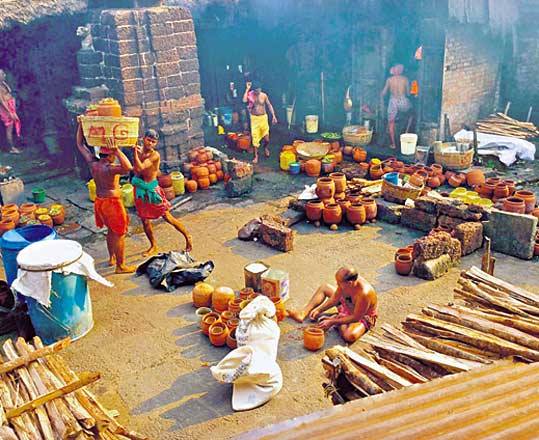
Discover the centuries-old “7-pot mystery” where the top pot miraculously cooks first, and how this ancient culinary marvel operates without modern electricity, gas, or a single grain of wasted food!
- The Team: Around 600 Suaras (traditional cooks) and 400 helpers work here daily.
- The Fuel: The kitchen relies entirely on wood fires and traditional charcoal.
- The Stoves: There are roughly 250 massive clay hearths, known as chulas.
The Cooking Miracle: Seven Pots but One Fire
The most famous mystery of the Jagannath Temple kitchen is the way the food is cooked.
Cooks do not use metal pans. Instead, they use rough clay pots. They stack seven clay pots directly on top of each other over a single wood fire.
Logically, the bottom pot closest to the fire should cook first. But here, the exact opposite happens. The top-most pot always cooks first. Then the second one from the top cooks, and so on. The bottom pot, sitting right on the flame, cooks last.
Scientists have tried to study this unique steam-distribution method, but the cooks credit it entirely to divine blessing.
Quick Facts: Inside the Rosaghara
| Feature | Detail |
| Daily Capacity | 25,000 to 100,000+ people |
| Cooking Medium | Earthen clay pots (Kudua) |
| Prohibited Ingredients | Onion, garlic, potatoes, tomatoes |
| Key Secret | Top pot cooks first |
Why the Food Never Runs Out
The daily food prepared here is called Mahaprasad. It consists of 56 distinct items, including rice, dal, sweet pudding, and various vegetable dishes.
The biggest logistical mystery is the crowd calculation. The number of temple visitors changes every day. Some days bring 20,000 people, while festival days can bring well over 100,000.
Yet, the cooks prepare the exact same amount of food every morning. The temple staff confirms that the Mahaprasad has never fallen short for a single devotee. At the same time, not a single grain of rice goes to waste at the end of the day.
Pure Ingredients Only
The kitchen follows strict rules of purity. The menu has remained unchanged for hundreds of years.
The cooks only use local, indigenous ingredients. Modern vegetables that arrived in India a few centuries ago are strictly banned. You will not find any potatoes, tomatoes, green chilies, or cauliflower in the Mahaprasad. Onion and garlic are completely forbidden.
Instead, the cooks use sweet potatoes, raw bananas, yams, and indigenous gourds. They source water from two special holy wells inside the temple complex, named Ganga and Yamuna.
The resulting food is light, completely organic, and uniquely flavorful. It offers a rare taste of ancient Indian culinary history.
What is the tradition of the 7 pots?
This is one of the most famous mysteries associated with the temple kitchen. Earthen pots (kudua) are placed one on top of another, stacking up to seven pots over a single wood fire.
According to tradition, the food in the topmost pot cooks first, followed by the pots below it, with the bottom pot (closest to the fire) cooking last. While this defies ordinary logic and scientific explanation – devotees view it as a symbol of divine grace and a distinctive mark of the temple’s sacred cooking tradition.
The Rosaghara is much more than just a giant kitchen. It is a beautiful mix of deep faith and ancient engineering. It proves that we do not always need modern technology to do amazing things. The seven-pot cooking method is a true marvel.
The zero-waste system is also a perfect lesson in management. Whether you believe it is divine magic or brilliant science, the result is the same. The holy food of the Jagannath Temple continues to bring peace and joy to millions of people every single year.
FAQ:
Q. How many people does the Jagannath Temple feed daily?
The temple kitchen prepares fresh Mahaprasad for anywhere between 25,000 to over 100,000 people every single day. The exact amount of food never runs out and never goes to waste.
Q. Does the temple use modern stoves or electricity?
No. The entire cooking process is strictly traditional. The food is cooked over 250 earthen clay hearths (chulas) using only wood and charcoal fires.
Q. Are onions and garlic used in the Mahaprasad?
Absolutely not. The kitchen follows strict ancient rules of purity. Ingredients like onions, garlic, potatoes, and tomatoes are completely banned. Only indigenous, organic vegetables are used.
Durga Puja Countdown is on LIVE

Read More: